About PP Yarn Spinning Machine
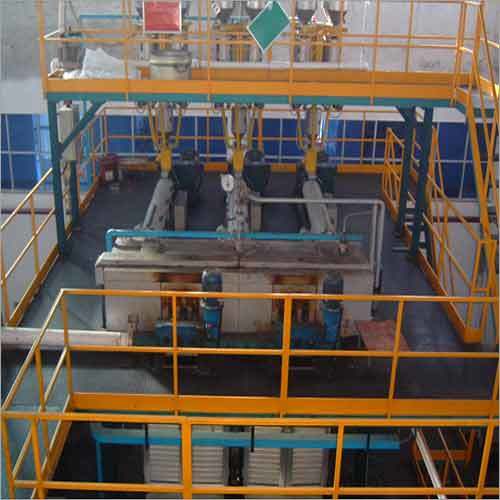
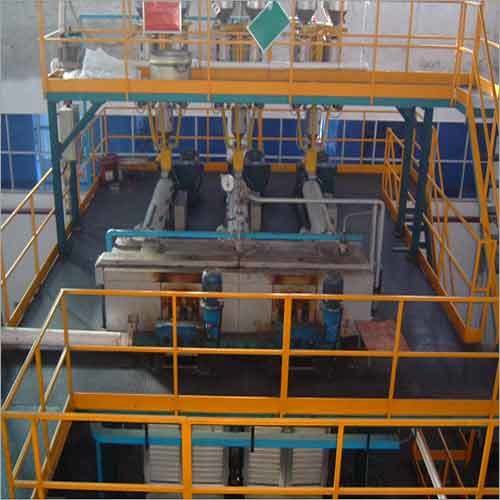
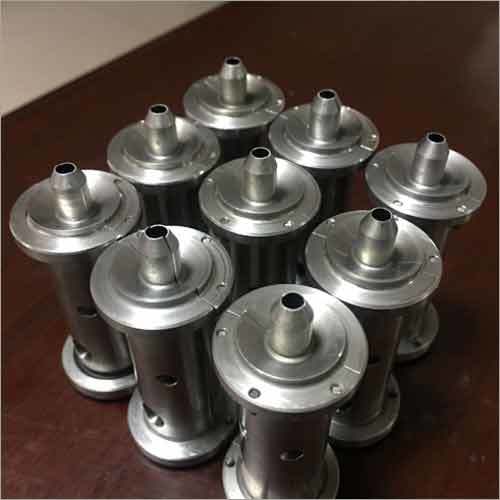
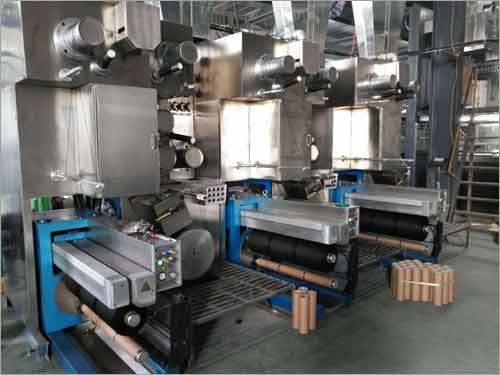
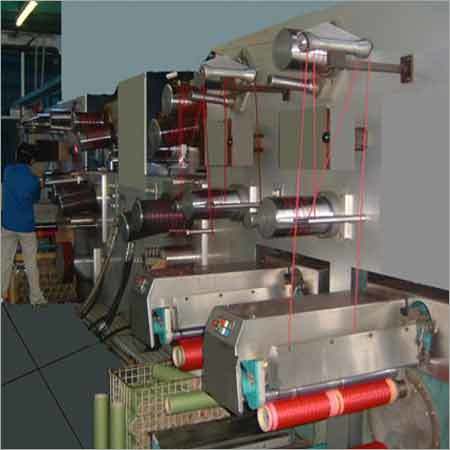
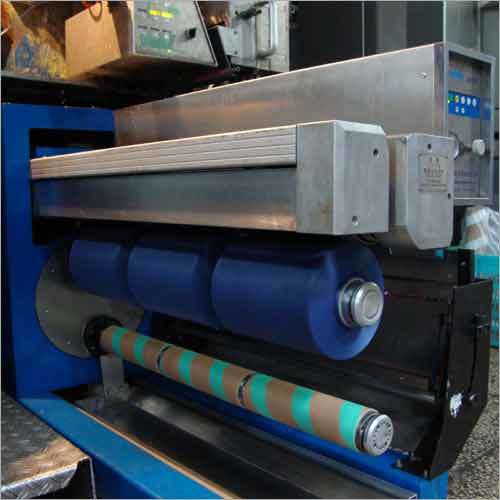
The PP Yarn Spinning Machine is used for spinning of polyester fiber. This machine is designed with cup shaped and rectangular shaped spin packs with bottom mounted and top mounted design, air quenching chamber, independent inverter and pin screw. The oil driven and planetary spinning pumps of this machine ensure about reliable operation of this machine. Long working life, easy to comprehend working process, sturdy construction, high production rate, low maintenance charge and low operation cost are some of the key attributes of this spinning machine. We are reckoned as an eminent manufacturer and exporter of superior grade PP Yarn Spinning Machine.
Features
- The offered spinning machine is appreciated for its high output level
- It is required for spinning of polyester yarn of high quality
- Long working life
- Reasonable price
Cutting-edge Automation with HMI ControlsThe PP Yarn Spinning Machine features an advanced Human Machine Interface, making operation smoother and more user-friendly. Automation ensures consistent quality and productivity while minimizing manual intervention. The HMI allows for real-time adjustments and monitoring, helping operators maintain optimal performance with minimal effort.
Air Cooling System for Enhanced ReliabilityEquipped with a robust air cooling system, this machine maintains stable temperatures even during prolonged production. This feature not only prevents overheating but also extends the lifespan of critical components, ensuring the equipment remains reliable even in demanding manufacturing environments.
Versatile Application Across IndustriesDesigned to handle a capacity of up to 100 cubic meters, the PP Yarn Spinning Machine is suitable for large-scale textile manufacturers, distributors, exporters, and traders. Its automated and computerized capabilities enable efficient, high-volume production of quality yarn for a variety of uses.
FAQ's of PP Yarn Spinning Machine:
Q: How does the Human Machine Interface (HMI) benefit operators of the PP Yarn Spinning Machine?
A: The HMI makes the operation intuitive by providing an easy-to-understand interface for controlling and monitoring every aspect of the spinning process. This reduces training time, simplifies troubleshooting, and allows for rapid adjustment of machine settings, enhancing overall productivity.
Q: What is the process for producing yarn with this spinning machine?
A: The process involves feeding polypropylene material into the machine, where it is melted, extruded, and spun into fine yarn. The automatic control system oversees each stage to ensure consistent output, while the air cooling system keeps the process stable and efficient.
Q: When is maintenance typically required for this yarn spinning machine?
A: Routine maintenance is recommended at regular intervals, as specified in the manufacturer's guidelines. Due to its robust air cooling and computerized systems, the machine requires less frequent downtime, but periodic inspections help ensure long-term reliability.
Q: Where can this PP Yarn Spinning Machine be effectively used?
A: This machine is highly effective in textile manufacturing plants, yarn processing facilities, and industrial production units specializing in polypropylene products. It is widely used by distributors, exporters, importers, and textile suppliers across China and internationally.
Q: What types of yarn can be produced using this PP Yarn Spinning Machine?
A: The machine is designed specifically for spinning polypropylene (PP) yarn suitable for weaving, knitting, and other textile applications, ensuring high strength and consistent quality.
Q: How does the air cooling system enhance the yarn production process?
A: The air cooling system efficiently dissipates heat generated during yarn production, preventing machine overheating. This maintains consistent operational temperature, resulting in stable yarn quality and reducing the risk of unexpected machine shutdowns.
Q: What are the main benefits of using a computerized and automatic PP Yarn Spinning Machine?
A: The main benefits include precise process control, high production efficiency, reduced likelihood of human error, easy monitoring, and the ability to quickly adapt to different yarn specifications or production requirements.








 Send Inquiry

 Send Inquiry
 Send Inquiry
 Send SMS
 Call Me Free
 English
 Spanish
 French
 German
 Italian
 Chinese (Simplified)
 Japanese
 Korean
 Arabic
 Portuguese